Introduction
In 2023, Hyderabad police uncovered a well-organized fake educational certificate racket that targeted individuals seeking employment opportunities abroad. The gang was involved in preparing and supplying forged academic certificates, mark sheets, and supporting documents required for overseas job applications. The case revealed how academic fraud has evolved beyond domestic employment and now poses serious risks to international recruitment systems and immigration processes.
The bust exposed the growing nexus between fake documentation and overseas employment fraud.
Background of the Racket
The racket operated by identifying individuals who lacked the required educational qualifications for jobs in foreign countries. Many of these aspirants were desperate to meet eligibility criteria for work visas, employer verification, or immigration requirements.
The accused exploited this desperation by offering quick and guaranteed certificates that appeared authentic and professionally prepared.
How the Fake Certificate Gang Operated
The gang followed a systematic approach. Candidates were approached through personal contacts and informal networks. Once a deal was finalized, applicants were asked to submit personal information, photographs, and passport details.
The gang then produced fake educational certificates tailored to meet the specific requirements of overseas employers or immigration authorities.
Focus on Overseas Employment
Unlike many domestic fake degree scams, this racket specifically targeted foreign job seekers. Certificates were designed to match the qualification standards demanded by international recruiters, including technical degrees, diplomas, and professional credentials.
This focus increased the risk of international repercussions and strained trust in Indian educational documentation abroad.
Forgery Tools and Fake Seals
During the police raid, authorities seized fake seals, rubber stamps, digital templates, printers, and computers. These tools were used to replicate university logos, official signatures, and certification formats.
The use of fake seals gave the documents an appearance of legitimacy, enabling them to pass initial scrutiny during document submission stages.
Types of Fake Documents Issued
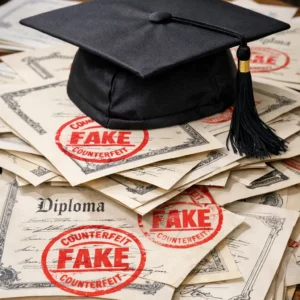
The gang supplied a wide range of forged documents, including:
Degree certificates
Provisional certificates
Academic mark sheets
Experience certificates
Supporting letters
These documents were often bundled together to create a complete and convincing academic profile.
Detection and Police Investigation
The racket came to light after discrepancies were identified during verification processes related to overseas job applications. Inconsistencies in university records and suspicious certificate formats raised concerns.
Hyderabad police launched a targeted investigation that led to raids at multiple locations and the arrest of key members of the gang.
Arrests and Seizure of Evidence
Police arrested several individuals involved in document preparation, coordination, and distribution. The seized materials demonstrated the organized and professional nature of the operation.
Digital evidence indicated that the gang had produced numerous certificates over an extended period.
Legal Charges and Criminal Liability
The accused were booked under serious criminal provisions related to cheating, forgery, impersonation, and criminal conspiracy. Authorities also initiated steps to identify beneficiaries who had used the fake certificates.
Those found using forged documents for overseas employment face legal consequences in India and potential bans or blacklisting abroad.
Impact on Overseas Job Aspirants
While some individuals knowingly purchased fake certificates, others were misled into believing the documents were legitimate. Regardless of intent, possession or use of forged certificates can result in:
Visa rejection
Employment termination
Deportation
Permanent travel restrictions
Criminal proceedings
The risks associated with fake documents are significantly higher in international contexts.
Damage to International Trust
Cases like this damage the credibility of Indian educational credentials in global job markets. International employers may impose stricter verification standards, affecting genuine candidates.
Such scams create long-term challenges for skilled professionals seeking legitimate opportunities abroad.
Why Overseas-Focused Rackets Are Increasing
The rise in overseas employment fraud is driven by several factors:
High demand for foreign jobs
Complex visa and qualification requirements
Limited awareness of verification procedures
Delayed cross-border verification
Misuse of digital document creation tools
These conditions create opportunities for organized fraud networks.
Challenges in Cross-Border Verification
International verification is more complex than domestic checks due to differences in education systems, time zones, and record access. Fraudsters exploit these gaps to circulate fake documents.
The Hyderabad case highlighted the need for stronger international cooperation in credential verification.
Lessons for Job Seekers
This case serves as a strong warning to overseas job aspirants. Using fake educational certificates can permanently damage careers and personal freedom.
Authentic qualifications, skill development, and verified documentation remain the only safe path to international employment.
Role of Recruitment Agencies and Employers
Recruitment agencies and foreign employers must conduct thorough credential checks and avoid relying solely on submitted documents. Direct verification with issuing institutions is essential.
Stricter screening protects organizations from legal and reputational risks.
Need for Awareness and Regulation
Public awareness campaigns are critical to educating job seekers about the dangers of fake certificates. Stronger regulation and swift enforcement can deter fraudsters from exploiting aspirants.
Preventing fraud protects individuals, institutions, and national credibility.
Conclusion
The Hyderabad fake certificate gang bust in 2023 exposed the dangerous intersection of academic fraud and overseas employment scams. While police action disrupted the operation, the case highlighted broader vulnerabilities in verification systems and public awareness.