Introduction
In India, higher education is governed by strict legal and regulatory frameworks to ensure academic quality, credibility, and public trust. Despite this, numerous institutions continue to operate illegally under the guise of universities. To safeguard students and employers, the University Grants Commission periodically publishes lists of institutions that are not empowered to award degrees. These institutions are commonly referred to as fake universities.
The UGC list plays a crucial role in protecting students from academic fraud and preventing the circulation of invalid degrees in education and employment systems.
What Is the University Grants Commission
The University Grants Commission is the statutory body responsible for coordination, determination, and maintenance of standards in higher education across India. One of its key responsibilities is to recognize universities that are legally authorized to award degrees under Indian law.
Only institutions established through central acts, state acts, or deemed university status granted under legal provisions are allowed to issue valid degrees.
What Are Fake Universities
Fake universities are institutions that falsely present themselves as universities without legal recognition or authority. These entities may use misleading names, official-sounding terminology, and fabricated approvals to appear legitimate.
Such institutions are not recognized under Indian law and any degree, diploma, or certificate issued by them is invalid for employment, higher studies, or official purposes.
Why the UGC Publishes Fake University Lists
The UGC publishes lists of fake universities to protect students from deception and financial loss. Many students enroll in such institutions believing they are legitimate, only to later discover that their degrees hold no legal value.
The lists also help employers, government bodies, and academic institutions identify invalid qualifications during verification processes.
How Fake Universities Operate
Fake universities often operate through rented buildings, coaching centers, or even virtual platforms. They typically promise quick degrees, flexible study options, and guaranteed certification.
Common tactics include false claims of recognition, forged approval letters, misuse of government logos, and misleading advertisements targeting vulnerable students.
Use of Misleading Names
Many fake universities deliberately use names that closely resemble recognized institutions or include words like national, international, central, or global. This creates confusion among students who assume the institution has official backing.
The UGC has repeatedly warned that the use of such terms does not imply recognition.
Impact on Students
Students who obtain degrees from fake universities face serious consequences. These degrees are rejected for government jobs, private employment, higher education admissions, and overseas opportunities.
Years of effort, time, and money are often lost, leaving students with no legal recourse.
Impact on Employment and Recruitment
Employers rely on academic qualifications to assess competence and eligibility. Fake university degrees undermine merit-based recruitment and pose risks to workplace efficiency and public safety.
When such fraud is detected, employees face termination and legal action, while organizations suffer reputational damage.
Legal Status of Degrees from Fake Universities
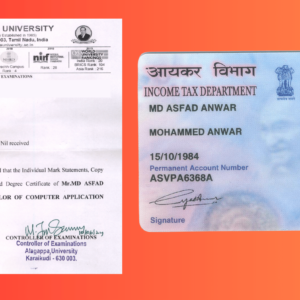
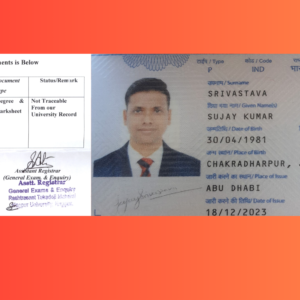
Degrees issued by fake universities have no legal standing. They are treated as forged or invalid documents, even if the student was unaware of the institution’s status.
Using such degrees knowingly or unknowingly can attract legal scrutiny under cheating and forgery laws.
UGC Warnings and Public Notices
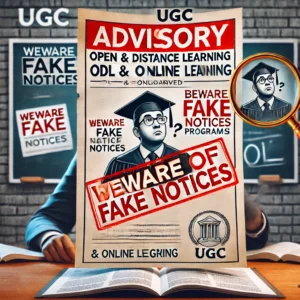
The UGC regularly issues public warnings advising students to verify university recognition before enrolling. These notices emphasize that students bear responsibility for checking the legal status of institutions.
The commission urges students to rely only on officially recognized universities.
Why Fake Universities Continue to Exist
Despite repeated warnings, fake universities continue to operate due to lack of awareness, aggressive marketing, and pressure to obtain degrees quickly. Weak verification at admission and recruitment stages further enables these institutions.
Digital advertising and social media have made it easier for fake universities to reach a wider audience.
Challenges in Identifying Fake Universities
Many students find it difficult to distinguish between genuine and fake institutions. Professional-looking websites, brochures, and offices create a false sense of legitimacy.
First-generation learners and working professionals are particularly vulnerable to such deception.
Role of State Governments and Law Enforcement
State authorities and law enforcement agencies play a vital role in taking action against fake universities. Raids, arrests, and closures are carried out when illegal operations are detected.
However, enforcement often happens after damage has already been done to students.
Importance of Verification Before Admission
Students must verify the recognition status of any university before enrolling. Checking legal establishment, degree-awarding authority, and regulatory approvals is essential.
A small effort at the admission stage can prevent lifelong consequences.
Responsibility of Employers and Institutions
Employers and educational institutions must verify academic credentials thoroughly. Relying solely on certificates submitted by candidates increases the risk of fraud.
Direct confirmation from recognized universities is the most reliable method.
Need for Greater Awareness
Public awareness campaigns are critical to preventing fake university enrollments. Students, parents, and educators must understand the difference between recognized universities and illegal institutions.
Education about academic authenticity should begin at the school level.
Long-Term Impact on Education System
Fake universities erode trust in the education system and devalue genuine degrees. They create unfair competition and discourage honest academic effort.
Protecting educational integrity is essential for national development and global credibility.
Steps Needed to Prevent Fake Universities
Preventing fake universities requires coordinated action, including stricter regulation, faster enforcement, centralized databases, and public education.
Technology-driven verification systems can significantly reduce academic fraud.
Conclusion
The UGC list of fake universities serves as a vital safeguard against academic fraud in India. It highlights institutions that operate illegally and warns students against enrolling in programs that offer no legal or professional value.