Introduction
A major recruitment scandal in Rajasthan has exposed the alarming scale at which fake educational qualifications are being used to infiltrate government jobs. In a shocking revelation, police and education authorities found that 202 candidates appointed as physical education teachers had secured their posts using forged degrees and diplomas. The case has triggered widespread concern over the integrity of public recruitment processes and the long-term impact of academic fraud on the education system.
How the Scam Was Discovered
The scam came to light during a routine verification drive initiated after complaints about irregular appointments in physical education teacher posts. Authorities noticed inconsistencies in qualification records submitted by several appointees, including discrepancies in degree formats, institutional recognition, and enrollment details. This prompted a comprehensive re-verification of documents submitted during the recruitment process.
As the investigation expanded, it became clear that the issue was not limited to a handful of candidates. A large number of teachers had presented degrees and diplomas from unrecognized institutions or submitted completely forged certificates claiming affiliation with legitimate universities.
Nature of the Fake Degrees and Diplomas
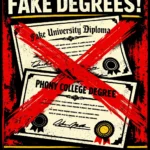
The forged qualifications included bachelor and diploma-level credentials in physical education and related disciplines. Many certificates carried fabricated university names, fake seals, and invalid registration numbers. In some cases, degrees were issued by institutions that existed only on paper, while in others, the universities named were real but had no record of the individuals ever being enrolled or graduating.
Investigators found that some candidates had obtained these fake degrees through intermediaries who promised quick qualifications without attending classes or passing examinations. These agents charged substantial amounts and provided documents that appeared genuine enough to pass initial scrutiny.
Role of Middlemen and Organized Networks
The scale of the scam suggests the involvement of organized networks specializing in fake academic credentials. Middlemen played a key role by connecting candidates with document forgers and guiding them through the recruitment application process. They also advised candidates on how to present forged documents during interviews and verification stages.
Such networks exploit loopholes in recruitment systems where physical document checks are prioritized over direct verification from issuing institutions. By the time discrepancies are detected, candidates are often already employed, making corrective action more complex.
Impact on the Education System
The presence of unqualified individuals in teaching positions has serious implications for the quality of education. Physical education teachers play a crucial role in promoting fitness, discipline, and overall student development. Appointing teachers without proper training undermines these objectives and compromises student safety and learning outcomes.
The scandal has also eroded public trust in government recruitment processes. Qualified candidates who invested time and effort into earning legitimate degrees were unfairly displaced by individuals using fraudulent means to secure employment.
Legal Action and Administrative Consequences
Following the discovery, authorities initiated criminal proceedings against those who used fake degrees to obtain government jobs. Charges are expected to include cheating, forgery, and misuse of forged documents. Appointments of the accused teachers are under review, with termination and recovery of salaries reportedly being considered.
Investigations are also focusing on identifying the source of the fake degrees and the intermediaries involved. Officials believe that the same networks may have supplied forged credentials for other government recruitments, raising concerns about the potential spread of the scam.
Failure of Verification Mechanisms
The Rajasthan recruitment scam highlights significant weaknesses in verification mechanisms. Despite clear eligibility criteria, the recruitment process failed to detect forged documents at the initial stages. Reliance on physical certificates without direct institutional confirmation allowed fake degrees to slip through.
This failure has prompted calls for stricter verification protocols, including mandatory digital verification, centralized academic databases, and real-time confirmation from universities and boards before final appointments are made.
Broader Implications for Public Sector Recruitment
The case has wider implications beyond the education department. If fake degree holders can enter teaching services, similar vulnerabilities may exist in other public sector recruitments. This raises serious concerns about administrative integrity, public safety, and the credibility of government institutions.
The scandal has also intensified scrutiny of private and unregulated institutions that issue dubious qualifications. Regulators are under pressure to crack down on such entities and prevent the circulation of fraudulent academic documents.
Lessons for Candidates and Authorities
For job aspirants, the case serves as a stark warning about the consequences of using fake qualifications. While fraudulent degrees may offer a shortcut to employment, the legal and professional risks are severe and long-lasting. Loss of job, criminal charges, and reputational damage can permanently affect an individual’s future.
For authorities, the scam underscores the need for systemic reforms. Strengthening verification systems, holding recruitment officials accountable, and improving coordination with educational institutions are essential steps to prevent similar incidents.
Conclusion
The Rajasthan teacher recruitment scam involving 202 fake degree holders is a sobering reminder of how deeply academic fraud can penetrate public systems. The exposure of the scam has opened the door for corrective action, but it also highlights the urgent need for robust verification, strict enforcement, and greater awareness. Protecting the integrity of government jobs and the education system requires sustained efforts to ensure that only qualified and genuinely credentialed individuals are entrusted with public responsibilities.