Introduction
The investigation into a fake degree and marksheet racket linked to Monad University in the Hapur district of Uttar Pradesh has drawn significant attention from law enforcement agencies and academic regulators. The case, currently under scrutiny by the Special Task Force, involves allegations that forged academic documents bearing the university’s name were used by numerous individuals to secure employment and professional advantages.
This investigation highlights a recurring and troubling pattern in India’s education ecosystem, where the names of private or lesser-known institutions are misused to lend credibility to counterfeit degrees and marksheets. The incident raises serious questions about document verification, institutional oversight, and the long-term consequences of academic fraud on employment systems.
Background of the Investigation
The case emerged after authorities noticed irregularities during employment and qualification verification processes. Several candidates were found to have submitted degrees and marksheets purportedly issued by Monad University that did not align with official academic records.
These discrepancies triggered a deeper probe, eventually leading to the involvement of the Special Task Force. The investigation aims to determine how widespread the use of forged documents is and whether organized networks were responsible for producing and distributing the counterfeit credentials.
Nature of the Alleged Fake Degrees and Marksheets
The forged documents under investigation reportedly included:
Undergraduate and postgraduate degree certificates
Semester-wise and consolidated marksheets
Provisional certificates and course completion records
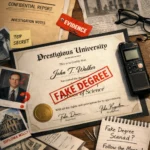
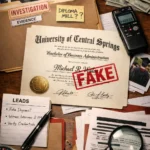
These documents were designed to resemble authentic academic records, often containing official-looking seals, signatures, and formatting. In many cases, the documents appeared genuine at first glance, making them difficult to detect without formal verification.
Misuse of Institutional Identity
One of the most concerning aspects of this case is the misuse of an institution’s name to legitimize fraudulent activity. Private and lesser-known universities are sometimes targeted by forgery networks because:
Their academic structures are less familiar to employers
Verification processes may take longer
Recruiters may not immediately recognize inconsistencies
Candidates assume lower scrutiny compared to prominent public universities
This misuse damages the credibility of legitimate institutions and unfairly associates them with fraudulent practices.
Role of Middlemen and Unauthorized Agents
Investigators believe that unauthorized agents or intermediaries played a significant role in circulating the fake degrees and marksheets. These individuals often approach job seekers or working professionals with promises of quick qualifications without attending classes or examinations.
The process typically involves:
Collecting personal details from candidates
Offering customized degrees based on job requirements
Charging substantial fees
Delivering forged documents claiming institutional authenticity
Such agents exploit desperation, lack of awareness, and competitive employment environments.
Employment Obtained Using Forged Documents
Authorities suspect that several individuals may have secured jobs using these fake degrees and marksheets. Positions obtained through forged credentials may include:
Private sector employment
Contract-based roles
Technical or administrative positions
Teaching and academic support roles
Roles requiring minimum degree qualifications
Once employed, such individuals often remain undetected until background checks, audits, or complaints trigger re-verification.
Role of the Special Task Force
The involvement of the Special Task Force reflects the seriousness of the case. Their responsibilities include:
Identifying individuals who used forged documents
Tracing the source of the fake certificates
Examining financial transactions linked to document procurement
Coordinating with academic authorities for record verification
Initiating legal action against those involved
The investigation is expected to widen as more cases of suspected document misuse come to light.
Legal Implications for Those Involved
Individuals found guilty of producing, selling, or using fake academic documents may face:
Criminal charges related to forgery and cheating
Termination from employment
Disqualification from future government or private jobs
Recovery of salaries or benefits obtained fraudulently
Long-term reputational damage
Even those who claim to have unknowingly used forged documents may face serious consequences due to negligence.
Impact on Genuine Graduates and Students
The fallout from such cases affects not only fraudsters but also genuine graduates. Increased scrutiny leads to:
Delayed hiring processes
Repeated verification demands
Heightened suspicion toward degrees from certain institutions
Additional compliance burdens for honest candidates
This undermines trust in academic credentials and creates unnecessary stress for legitimate degree holders.
Institutional Oversight and Accountability
Cases like this expose the urgent need for stronger institutional safeguards, including:
Secure academic record management
Centralized verification systems
Transparent communication with employers
Strict action against misuse of institutional identity
Universities must actively cooperate with investigating agencies to protect their credibility.
Why Fake Degree Rackets Continue to Thrive
Several factors enable the persistence of fake degree rackets:
High unemployment and intense competition
Lack of awareness about verification consequences
Dependence on physical documents
Inconsistent background checks
Social pressure to meet qualification criteria
Until these root causes are addressed, such rackets are likely to continue operating.
The Illusion of Shortcuts in Education
Fake degree schemes thrive on the illusion that education can be bypassed. However, the Monad University case reinforces that:
All academic records are eventually verified
Employment gained through fraud is unstable
Legal systems increasingly track academic authenticity
Shortcuts result in long-term losses
What appears to be a quick solution often becomes a permanent liability.
Importance of Proper Verification by Employers
Employers play a critical role in preventing academic fraud. Robust verification practices include:
Direct confirmation from issuing institutions
Use of official verification channels
Scrutiny of formatting and academic timelines
Cross-checking enrollment and examination records
Strong verification not only protects organizations but also maintains fair hiring practices.
Broader Implications for the Education System
Academic fraud cases damage public confidence in higher education. When degrees become questionable, the value of genuine learning is undermined. This creates a ripple effect across:
Recruitment systems
Professional licensing bodies
International recognition of qualifications
Institutional reputations
Safeguarding academic integrity is essential for national credibility.
Conclusion
The fake degree and marksheet racket linked to Monad University represents a serious breach of academic trust and professional ethics. As the Special Task Force continues its investigation, the case serves as a powerful reminder that forged qualifications inevitably lead to exposure and legal consequences.
Misusing institutional names, fabricating academic records, and securing employment through fraud not only harms individuals involved but also weakens the credibility of the education system as a whole. Genuine education, transparent verification, and ethical conduct remain the only sustainable foundations for long-term professional success.