Introduction
In a shocking revelation that exposed deep vulnerabilities in the education ecosystem, Chennai police uncovered a fake university operating out of a small rented room. The so-called institution, falsely presented as a recognized university, had been issuing forged diploma and degree certificates for several years. The accused, an MBA graduate, allegedly ran this operation since 2019, deceiving students, job aspirants, and employers with fabricated academic credentials.
The case sent ripples across academic and professional circles, raising serious concerns about how easily fake institutions can operate under the guise of legitimacy.
How the Fake University Was Created
The accused reportedly created a fictional university identity, complete with an official-sounding name, fabricated approvals, and counterfeit documentation. Despite operating from a tiny room, the fake university projected itself as a full-fledged educational institution offering diplomas, undergraduate degrees, and postgraduate programs.
By exploiting the lack of awareness among students and employers, the operator was able to sustain the fraud for years without detection.
Modus Operandi of the Fake University
The operation followed a carefully planned strategy. Prospective candidates were promised quick degrees without attending regular classes or examinations. The process typically involved:
Enrollment through informal communication
Collection of personal details and photographs
Payment of fees in installments
Issuance of certificates claiming academic completion
Degrees were often backdated and presented as valid for employment and higher studies.
Use of Technology and Forgery Tools
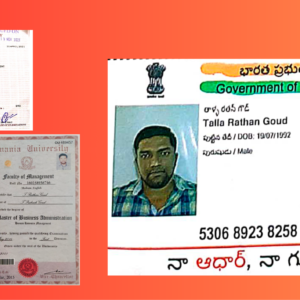
Despite limited physical infrastructure, the fake university used basic digital tools to create convincing academic documents. Police recovered computers, printers, forged seals, and templates resembling genuine university certificates.
These tools allowed the accused to generate mark sheets, provisional certificates, diplomas, and degree certificates that appeared authentic at first glance.
Duration and Scale of the Scam
Investigations revealed that the fake university had been operating since 2019. Over this period, dozens of certificates were allegedly issued to individuals across different regions.
While the scale appeared small compared to large syndicates, the longevity of the operation highlighted how low-cost, small-scale setups can cause significant damage when left unchecked.
Detection and Police Investigation
The scam came to light after verification issues arose during background checks conducted by employers and institutions. Discrepancies in university records and non-existent accreditation details raised red flags.
Following a complaint, Chennai police launched an investigation that led them to the rented room where the fake university was operating. A raid confirmed the presence of forged academic materials and digital evidence.
Arrest of the Accused
The operator, an MBA graduate, was arrested on charges related to cheating, forgery, impersonation, and criminal conspiracy. Police noted that the accused used academic knowledge and familiarity with university processes to make the fake institution appear credible.
The arrest marked the end of a long-running deception that exploited the aspirations of students and job seekers.
Victims of the Fake University
Many individuals who obtained certificates from the fake university were reportedly unaware of its illegitimacy. Some sought degrees to meet eligibility criteria for jobs, promotions, or overseas opportunities.
These individuals now face serious consequences, including invalidation of qualifications and possible legal scrutiny.
Consequences for Certificate Holders
Possession or use of forged academic certificates carries significant risks. Individuals linked to the fake university may face:
Job termination
Disqualification from recruitment processes
Rejection of further education applications
Legal proceedings
Long-term reputational damage
The case reinforced that ignorance does not absolve responsibility when using fake credentials.
Impact on Genuine Educational Institutions
Incidents like this undermine public trust in legitimate universities and colleges. Genuine institutions face increased scrutiny, delayed verifications, and reputational challenges due to the actions of fraudulent operators.
Such scams also burden employers and authorities with additional verification responsibilities.
Why Fake Universities Continue to Exist
The Chennai fake university case highlighted several contributing factors:
Pressure to obtain degrees quickly
Lack of awareness about accreditation
Inadequate verification at hiring stages
Misuse of academic terminology
Absence of centralized validation systems
Fraudsters exploit these gaps to operate unnoticed.
Lessons for Students and Job Aspirants
This case serves as a critical warning for anyone seeking academic credentials:
Always verify university recognition
Avoid shortcuts promising fast degrees
Be cautious of institutions without physical campuses
Check accreditation claims carefully
Understand that fake degrees can be detected years later
Education earned dishonestly often leads to irreversible consequences.
Role of Employers and Institutions
Employers and academic institutions play a crucial role in preventing such fraud. Strengthening background verification processes and cross-checking academic credentials can significantly reduce the circulation of fake degrees.
The case emphasized the need for vigilance at every stage of recruitment and admissions.
Need for Stronger Regulatory Oversight
The ease with which a fake university operated from a single room raised questions about monitoring and enforcement. Stronger oversight, periodic audits, and public awareness are essential to prevent the emergence of similar fake institutions.
Clear penalties and swift action act as deterrents against academic fraud.
Broader Implications for the Education System
The fake university scam is not just a criminal case but a systemic issue that reflects gaps in education governance. Addressing these gaps requires coordination between law enforcement, educational authorities, employers, and students.
Integrity in education is foundational to societal trust and professional competence.
Conclusion
The exposure of the fake university operating from a tiny room in Chennai stands as a stark reminder of how easily academic fraud can thrive when awareness and verification are weak. The arrest of the accused brought accountability, but the damage caused to individuals and institutions underscores the long-term consequences of such scams.