The arrest of a fake educational certificate racket mastermind at Mumbai Airport while arriving from Bangkok has exposed the deeply entrenched and transnational nature of academic fraud networks. The accused, described by investigators as a central ringleader, allegedly operated a large-scale operation that produced and distributed counterfeit degrees and mark sheets used for overseas employment and immigration purposes. The case highlights how forged academic documents have become a lucrative underground industry, exploiting aspirations for global mobility and economic advancement.
This arrest is significant not only because of the individual apprehended but because it sheds light on how such rackets function across borders, cities, and institutions, often remaining undetected for years.
Interception at Mumbai Airport
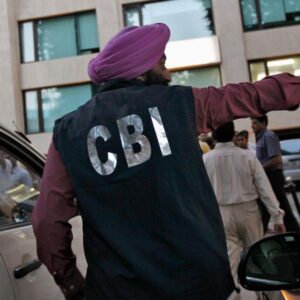
Law enforcement agencies detained the accused at Mumbai Airport based on specific intelligence inputs. His arrival from Bangkok immediately raised suspicion, as investigators had been tracking international travel patterns linked to the movement of forged documents and coordination with overseas intermediaries.
Upon questioning and subsequent searches, authorities recovered incriminating materials, including digital devices, document samples, and communication records. These materials pointed toward a well-organized operation rather than an isolated act of forgery.
The airport arrest underscores how international travel is often integral to such rackets, whether for sourcing materials, coordinating networks, or evading domestic scrutiny.
Profile of the Ringleader
According to investigators, the arrested individual was not a low-level agent but a key orchestrator of the fake certificate operation. He allegedly managed production, distribution, and financial aspects of the racket, while delegating client acquisition to intermediaries in multiple cities.
The accused is believed to have built the network over several years, gradually expanding its reach. His role included approving document specifications, coordinating timelines, and ensuring that certificates matched client requirements for specific countries or job categories.
This centralized control allowed the operation to maintain consistency and scale.
Nature of the Fake Certificates Produced
The racket reportedly produced a wide range of counterfeit academic documents. These included undergraduate and postgraduate degrees, mark sheets, provisional certificates, and supporting academic records.
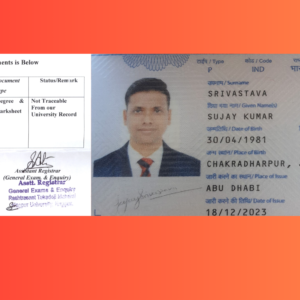
Documents were tailored to appear authentic, complete with fabricated enrollment numbers, examination details, and institutional references. In many cases, certificates were backdated to meet eligibility criteria for employment or immigration programs.
The sophistication of the documents made them difficult to detect during superficial checks, enabling their use in high-stakes applications.
Use for Overseas Employment and Immigration
Investigations revealed that a significant portion of the fake certificates were intended for overseas use. Many countries require verified academic qualifications for work permits, skilled migration, and professional licensing.
The racket allegedly catered to individuals seeking employment abroad, especially in sectors where degree requirements are mandatory. Fake certificates were also used to support immigration applications, increasing the chances of visa approval.
Such misuse not only violates immigration laws but also undermines trust in international qualification assessment systems.
Multi-City and Transnational Network
One of the most alarming aspects of the case is the geographic spread of the operation. The network reportedly spanned multiple Indian cities, each handling different functions such as client sourcing, document customization, and delivery.
International links, including travel to destinations like Bangkok, suggest coordination beyond national borders. These links may have involved printing facilities, financial channels, or safe meeting points.
The decentralized structure made the racket resilient, allowing it to continue functioning even if one node faced disruption.
Role of Agents and Middlemen
The mastermind allegedly relied on a network of agents to interact with clients. These intermediaries targeted individuals desperate for quick academic credentials, often promising guaranteed jobs or visa success.
Agents collected personal details, selected universities or courses, and communicated these requirements to the central operator. By insulating himself from direct client contact, the ringleader reduced personal exposure while expanding reach.
This layered approach is a common feature of organized academic fraud networks.
Detection and Investigation
The arrest was the result of sustained intelligence gathering, surveillance, and analysis of document fraud patterns. Authorities tracked the circulation of forged certificates and identified common features that pointed to a single source.
Financial trails, communication records, and travel histories helped investigators piece together the structure of the operation. The interception at the airport was a strategic move to prevent further coordination and potential flight from scrutiny.
The investigation is ongoing, with authorities working to dismantle the network completely.
Legal Charges and Potential Consequences
The accused faces serious criminal charges, including forgery, cheating, criminal conspiracy, and misuse of official-looking documents. Additional charges related to cross-border fraud and financial irregularities may follow as the investigation progresses.
Authorities are also identifying individuals who knowingly used fake certificates. Such beneficiaries may face job termination, visa cancellation, deportation, and criminal prosecution.
The legal consequences extend far beyond the initial arrest, potentially affecting hundreds of cases.
Impact on Genuine Students and Professionals
The exposure of such rackets has a cascading effect on genuine students and professionals. Increased suspicion and stricter verification measures can delay applications and create hurdles for those with legitimate qualifications.
Institutions whose names are misused suffer reputational damage, even when they are victims of forgery. This erosion of trust affects the global standing of educational credentials.
The actions of a few fraudsters thus harm a much larger community.
Broader Implications for Academic Integrity
This case highlights the growing commercialization of fake academic credentials. Degrees and mark sheets are treated as commodities, stripped of their educational meaning and sold as tools for advancement.
Such practices undermine merit-based systems and create risks in professional sectors that rely on qualified personnel. The international dimension of the racket further complicates enforcement and detection.
Addressing this challenge requires coordinated efforts across borders.
The Need for Stronger Verification Systems
The arrest reinforces the importance of robust verification mechanisms. Centralized academic databases, direct university verification, and technology-driven authentication can significantly reduce the circulation of fake certificates.
Employers, immigration authorities, and credential evaluators must continue strengthening checks to stay ahead of increasingly sophisticated forgeries.
Public awareness is equally crucial to discourage demand for fraudulent credentials.
Conclusion
The arrest of a fake educational certificate mastermind at Mumbai Airport while arriving from Bangkok has exposed the international scale and organized nature of academic fraud. What appears to be a document crime is, in reality, a complex network exploiting aspirations, regulatory gaps, and trust.
This case serves as a warning that in an interconnected world, academic fraud rarely remains hidden forever. Sustained enforcement, systemic reform, and ethical commitment are essential to protect the credibility of education and the futures built upon it.