Introduction
Academic qualifications form the foundation of employment, professional credibility, and social trust. When forged educational documents enter the system, they undermine not only individual institutions but also public confidence in education and recruitment processes. A major crackdown by Delhi Police exposed one such organized fake degree racket, revealing how forged mark sheets and degrees were being manufactured and sold on a large scale.
The case came into focus when Delhi Police seized hundreds of forged academic documents and arrested multiple individuals involved in the operation. The scale and sophistication of the racket highlighted the growing threat of educational fraud in India’s metropolitan centers.
Background of the Fake Degree Racket
Delhi, being a hub for education, employment, and competitive examinations, has often been targeted by organized document fraud networks. These networks exploit students, job seekers, and professionals who seek shortcuts to employment, promotions, or overseas opportunities.
In this case, the racket operated covertly, producing forged mark sheets and degrees of multiple universities. These documents were marketed as genuine and usable for government jobs, private employment, higher education, and foreign travel purposes.
How the Racket Was Uncovered
The racket came to light following intelligence inputs and complaints received by law enforcement authorities. Certain employers and verification agencies flagged inconsistencies in academic records submitted by job applicants.
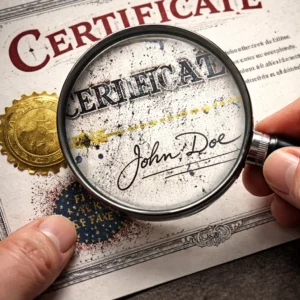
Upon closer scrutiny, Delhi Police identified patterns such as identical formatting, repeated serial numbers, forged seals, and mismatched academic timelines. These irregularities prompted a coordinated investigation involving surveillance, decoy operations, and document verification.
Police Raid and Seizure of Documents
During raids conducted at multiple locations, Delhi Police recovered a large cache of forged educational documents. The seized material included:
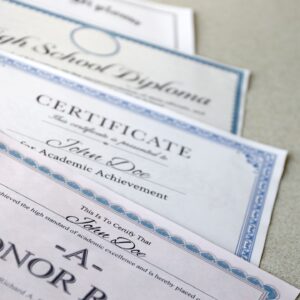
228 forged mark sheets
27 fake degree certificates
Fake university seals and stamps
Blank certificate templates
Computers, printers, and digital storage devices
The volume of seized material confirmed that the operation was not isolated but part of an organized, ongoing fraud network.
Arrests and Criminal Charges
Multiple individuals were arrested in connection with the racket. The accused allegedly played different roles, including document fabrication, customer handling, coordination with agents, and financial transactions.
Criminal charges included cheating, forgery, use of forged documents, criminal conspiracy, and impersonation. Investigators also examined digital evidence to identify clients who had purchased fake certificates.
Universities and Credentials Involved
The forged documents purportedly represented degrees and mark sheets from various Indian universities. While the institutions themselves were legitimate, the documents were entirely fabricated and not issued through official academic channels.
This misuse of recognized university names added credibility to the fake documents, making detection more difficult during initial screening stages.
Intended Use of Fake Degrees
The investigation revealed that forged documents were being used for multiple purposes, including:
Securing government and private sector jobs
Obtaining promotions and salary hikes
Applying for higher education programs
Visa and immigration applications
Professional licensing and registrations
In some cases, individuals had already benefited from employment using these fake credentials before detection.
Impact on Recruitment and Employment
The exposure of the racket forced employers and recruitment agencies to re-evaluate their verification processes. Organizations initiated internal audits and re-verification drives to identify employees who may have submitted forged qualifications.
Several appointments were cancelled, and disciplinary proceedings were initiated against employees found using fake degrees. Genuine candidates were also affected due to delays and increased scrutiny.
Legal Consequences for Degree Holders
Individuals found using forged academic documents faced serious consequences, even if they were not directly involved in producing the fake certificates. Legal outcomes included:
Criminal prosecution
Termination from employment
Permanent disqualification from government jobs
Loss of professional credibility
Long-term legal and financial stress
The case reinforced that using a fake degree is a criminal offense, regardless of intent or awareness.
Role of Middlemen and Agents
Investigations revealed the involvement of agents who acted as intermediaries between buyers and document producers. These agents promised guaranteed degrees, quick delivery, and authenticity, often charging substantial fees.
This network of intermediaries played a key role in expanding the reach of the racket across different states.
Challenges in Detecting Academic Fraud
The case highlighted several challenges faced by authorities:
Dependence on physical documents
Lack of centralized academic databases
Delayed verification processes
High demand for fast qualifications
These gaps were exploited by fraudsters to circulate forged documents widely.
Strengthening Verification Systems
Following the case, authorities emphasized the need for stricter academic verification mechanisms. Employers and institutions were encouraged to verify credentials directly from issuing universities or through authorized verification channels.
Digital recordkeeping, centralized databases, and real-time verification were identified as essential tools to combat such fraud.
Lessons for Students and Job Seekers
The Delhi Police fake degree racket serves as a strong warning:
Shortcuts to qualifications carry severe legal risks
Forged documents can be detected even years later
Career gains achieved through fraud are temporary
Authentic education is the only sustainable path
Awareness and due diligence are critical when pursuing academic and professional goals.
Broader Impact on the Education System
The case damaged trust in academic credentials and highlighted the urgent need for reform. It prompted discussions on regulatory oversight, document standardization, and accountability for both institutions and individuals.
The crackdown also demonstrated the growing seriousness with which law enforcement treats educational fraud.
Conclusion
The Delhi Police fake degree racket exposed a well-organized network that sought to undermine education and employment systems through forged academic credentials. The seizure of 228 forged mark sheets, 27 fake degrees, and the arrest of multiple accused marked a decisive action against academic fraud.