Distance education has played an important role in expanding access to higher education, particularly for working professionals and learners unable to attend regular classes. However, when the credibility of distance learning is misused through forged certificates, it undermines both genuine students and institutional trust. The Annamalai University fake distance education certificate case in Tamil Nadu exposed how counterfeit degrees were circulated through middlemen, falsely claiming enrollment and completion under distance learning programs.
This case came to light during employment verification processes, where discrepancies in academic records raised serious concerns. What initially appeared to be individual irregularities soon revealed a coordinated operation supplying fake distance education certificates under the university’s name.
Background of the Case
Annamalai University is a well-known public university with a long history of offering regular and distance education programs. Its distance education qualifications are widely recognized when earned through legitimate study, examinations, and evaluation.
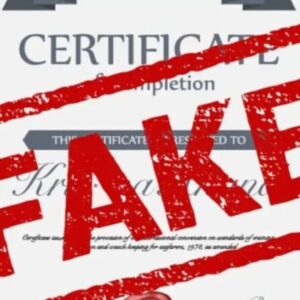
Fraudsters exploited this recognition by issuing forged certificates that closely resembled authentic university documents. These fake credentials were marketed as valid distance education degrees, targeting individuals seeking employment or career advancement without undergoing formal academic processes.
How the Fake Certificates Were Detected
Employment Verification Failures
The exposure of the fake certificate racket occurred during routine and advanced employment verification checks. Employers reviewing submitted credentials found inconsistencies related to enrollment numbers, course duration, and examination schedules.
When verification requests were sent for confirmation, official records did not support the claims made in the certificates. In several cases, there was no evidence of the candidates ever being enrolled in the claimed distance education programs.
Repeated Patterns in Forged Documents
Investigators noticed striking similarities across multiple fake certificates, including identical formatting, serial numbering styles, and design elements. This indicated centralized production rather than isolated attempts by individuals.
The forged certificates were crafted to appear legitimate, making them difficult to detect without direct verification from the issuing institution.
Role of Middlemen and Agents
Police investigations revealed that middlemen played a crucial role in the distribution of fake distance education certificates. These intermediaries approached job seekers and working professionals, promising recognized degrees through distance learning without the need for examinations or coursework.
Candidates were often assured that the certificates would pass verification, especially in private sector jobs where document checks were assumed to be minimal. In exchange for payment, the middlemen supplied forged degrees along with fabricated marksheets.
This network exploited both the demand for flexible education and the trust associated with a reputed university name.
Police Investigation and Legal Action
Following complaints and verification failures, law enforcement agencies launched investigations into the matter. Police examined the forged certificates, traced communication between middlemen and beneficiaries, and identified individuals involved in document fabrication.
Several intermediaries were booked under charges related to forgery, cheating, impersonation, and criminal conspiracy. Authorities also warned that candidates who knowingly used fake certificates could face criminal proceedings in addition to employment termination.
Impact on Employment and Professional Credibility
Job Losses and Disqualification
Candidates found using forged Annamalai University distance education certificates faced immediate disqualification from recruitment processes. Those already employed were terminated once verification failures were confirmed.
In some cases, employers conducted internal audits of employee credentials, leading to further discoveries and disciplinary action.
Damage to Legitimate Graduates
The racket also affected genuine distance education graduates, who faced increased scrutiny and delays during verification. Even authentic credentials were subjected to additional checks, highlighting the collateral damage caused by academic fraud.
Risks of Using Fake Distance Education Degrees
The case highlighted serious risks associated with fake distance education certificates, including:
Permanent damage to professional reputation
Legal action and criminal records
Loss of employment opportunities
Ineligibility for future academic or professional advancement
Authorities emphasized that ignorance of the forgery or reliance on agents does not excuse the use of fake credentials.
Broader Issue of Distance Education Fraud
The Annamalai University case is part of a wider pattern where distance education programs are targeted by fraudsters. Misconceptions that distance learning is loosely regulated make it an attractive target for forgery, despite the fact that legitimate programs follow strict academic and regulatory standards.
Such fraud undermines public confidence in distance education as a whole, affecting institutions and students who rely on it for genuine learning and career growth.
Importance of Academic Verification and Transparency
This case reinforces the importance of verifying academic credentials directly from issuing institutions. Employers are increasingly adopting primary-source verification to ensure authenticity and protect organizational integrity.
Secure academic record systems, authenticated transcripts, and institutional cooperation with verification agencies are critical to preventing misuse.
Lessons for Students, Employers, and Institutions
For Job Seekers
The case serves as a strong warning against shortcuts in education. Genuine distance education requires structured study and assessment, not just payment to intermediaries.
For Employers
Employers must maintain robust verification procedures, particularly for distance education credentials, to prevent fraud and ensure workforce quality.
For Universities
Institutions must safeguard their document formats, enrollment records, and verification processes while actively collaborating with authorities to stop misuse of their name.
Conclusion
The Annamalai University fake distance education certificate case in Tamil Nadu exposed how forged degrees were circulated through middlemen, exploiting the reputation of a respected university. Detected during employment verification, the case led to police investigations and legal action against those involved.
This incident underscores a critical lesson: distance education is a legitimate and valuable pathway only when pursued honestly. Fake certificates not only harm individual careers but also damage the credibility of educational systems and institutions.