Introduction
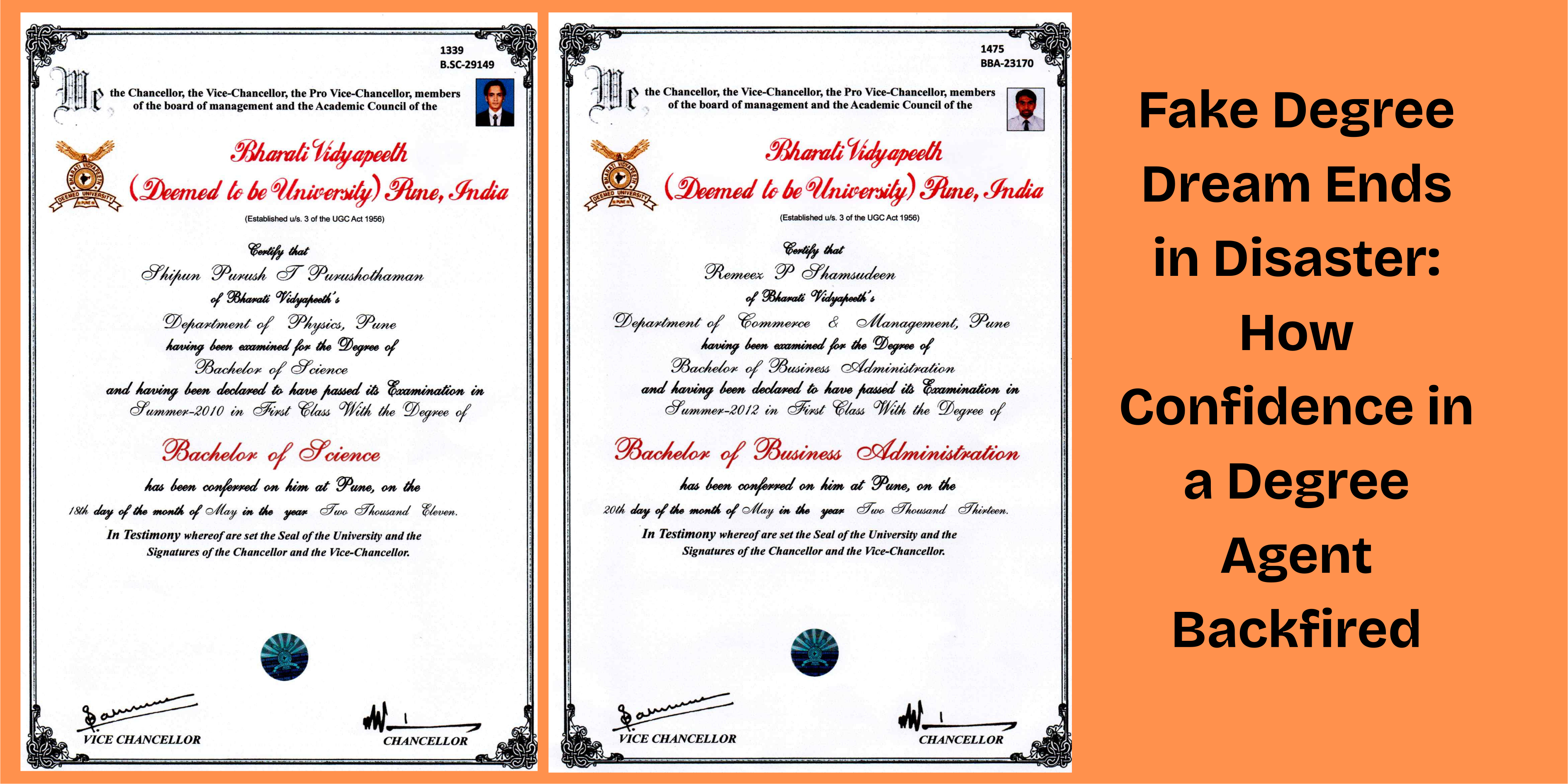
The deportation of a student from Telangana after authorities discovered forged degree certificates has drawn attention to the serious consequences of academic fraud in the context of international education and migration. What may appear to some as a shortcut to overseas opportunities can quickly turn into a life-altering setback. This case exposes how forged academic documents, often sourced through unregulated overseas consultancies, can lead to deportation, long-term travel bans, and irreversible damage to a student’s future.
The incident also highlights the increasing scrutiny applied by foreign universities, immigration authorities, and credential evaluation agencies when verifying academic qualifications.
How the Forged Degree Was Detected
The case came to light during routine document verification conducted by immigration and education authorities abroad. The student had submitted degree certificates as part of an application for studies or residency. During verification, inconsistencies were noticed in the academic records, including mismatches in enrollment details, issue dates, and institutional formatting.
Further checks with the purported issuing institution revealed that the degree was not genuine. The certificates had either been entirely forged or altered from original documents. Once the fraud was confirmed, immigration authorities initiated deportation proceedings under applicable immigration and fraud laws.
Role of Overseas Consultancies in Certificate Fraud
Investigations revealed that the forged degree had been obtained through an overseas consultancy that promised quick placement and guaranteed approval. Such consultancies often operate on the fringes of legality, exploiting students’ aspirations to study or work abroad. They may claim insider connections, fast-track processes, or special arrangements with foreign institutions.
In this case, the consultancy allegedly arranged forged certificates to meet eligibility criteria, assuring the student that the documents would pass verification. This false assurance not only misled the student but also exposed them to severe legal consequences.
Impact of Deportation on the Student
Deportation carries consequences far beyond immediate removal from a foreign country. The student reportedly faced cancellation of visas, loss of tuition fees and living expenses, and potential bans on re-entry for several years. Immigration records noting document fraud can severely restrict future travel, study, or employment opportunities in multiple countries.
The emotional and psychological toll is also significant. Years of planning, financial investment, and personal aspirations can collapse overnight due to the use of forged academic documents.
International Verification Standards and Zero Tolerance
Foreign universities and immigration authorities follow strict verification protocols. Degrees submitted for admissions, work permits, or residency are routinely cross-checked with issuing institutions, digital databases, and credential evaluation agencies. Any discrepancy, even minor, can trigger deeper investigations.
Most countries maintain a zero-tolerance policy toward document fraud. Unlike domestic cases where legal proceedings may take time, immigration authorities often act swiftly, prioritizing border security and system integrity. Deportation is frequently accompanied by blacklisting, making future applications extremely difficult.
Broader Implications for Genuine Students
Cases like this create ripple effects that affect genuine students from the same region or country. Increased scrutiny, longer processing times, and stricter documentation requirements often follow high-profile fraud incidents. Honest students may face repeated verification requests and delays due to the actions of a few individuals and unethical agents.
Educational institutions abroad may also become more cautious when evaluating applications from regions associated with document fraud, adding another layer of challenge for legitimate applicants.
Legal Consequences Beyond Deportation
In addition to deportation, individuals involved in using forged documents may face criminal charges under local laws. Overseas consultancies involved in such fraud can also be investigated, though many operate across borders, making enforcement difficult.
Back in India, the use of forged certificates can expose individuals to prosecution for cheating and forgery if authorities pursue the matter further. This dual legal risk underscores the severity of academic fraud in international contexts.
Lessons for Students Seeking Overseas Opportunities
The Telangana deportation case serves as a powerful warning to students and families. Shortcuts offered by consultancies promising guaranteed admissions or visas should be approached with extreme caution. Verifying the authenticity of academic documents and choosing legitimate educational pathways are essential steps in protecting one’s future.
Students should independently confirm university approvals, degree validity, and consultancy credentials before proceeding. Relying blindly on agents can result in devastating outcomes.
Need for Regulation of Overseas Consultancies
The case also highlights the urgent need for stronger regulation and oversight of overseas education consultancies. Transparent licensing, accountability mechanisms, and strict penalties for fraud are necessary to prevent exploitation of students and damage to the country’s educational reputation.
Public awareness campaigns can help students understand the risks associated with forged documents and unverified agents.
Conclusion
The deportation of a Telangana student for using forged degree certificates is a stark reminder that academic fraud carries global consequences. In an era of digital verification and international data sharing, fake credentials are increasingly easy to detect. What begins as an attempt to secure overseas education or employment can quickly lead to deportation, legal trouble, and lasting reputational harm. This case reinforces the importance of integrity, verification, and informed decision-making in pursuing international opportunities.