Introduction
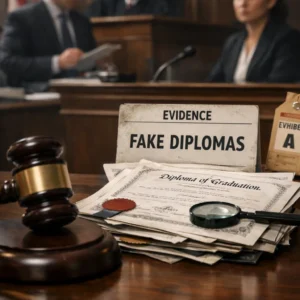
The arrest of a private university director in Rajasthan for issuing fake degrees and fraudulently granting recognition to thousands of college seats has uncovered one of the most disturbing academic fraud cases in recent times. The case goes beyond individual certificate forgery and points to systemic abuse of authority within a private higher education institution. By allegedly using forged documents to legitimize over ten thousand college seats, the accused is believed to have manipulated both academic records and regulatory processes, seriously undermining the integrity of higher education.
This incident has raised urgent questions about oversight, accountability, and the vulnerabilities within private university governance.
How the Scam Was Uncovered
The scam came to light after complaints were raised regarding the validity of degrees and seat approvals issued by the university. Students, faculty members, and regulatory observers flagged inconsistencies in approval letters, enrollment records, and academic certificates. Some colleges claimed affiliation or seat recognition that could not be verified through official channels, prompting authorities to initiate a detailed investigation.
During the probe, investigators discovered that recognition documents submitted to justify seat allocations were either forged or issued without proper authorization. This led authorities directly to the role of the university’s director, who allegedly used his position to validate documents that had no legal standing.
Nature of the Fake Degrees and Fraudulent Seat Approvals
According to investigators, the director was involved in issuing degrees that were not backed by legitimate academic processes. These included certificates awarded without students completing required coursework, examinations, or attendance. In several cases, students were allegedly granted degrees for programs that had not received regulatory approval.
Even more serious were allegations related to seat recognition. Over ten thousand college seats were reportedly granted approval through fraudulent documents. These seats were then used by affiliated colleges to admit students, collect fees, and operate programs that had no legal recognition. Students enrolling in these seats believed their admissions were valid, unaware that their degrees could later be declared invalid.
Abuse of Authority and Institutional Complicity
The case highlights how academic fraud can flourish when individuals in positions of authority abuse their power. As a director, the accused had access to official letterheads, seals, and internal systems, making forged documents appear authentic. This institutional cover made detection difficult and allowed the scam to continue over an extended period.
Investigators are now examining whether other university officials were complicit or whether administrative systems were deliberately weakened to facilitate the fraud. The possibility of collusion with external colleges, agents, and intermediaries is also under scrutiny.
Impact on Students and Affiliated Colleges
The fallout from the scam has been severe for students enrolled in affected programs. Thousands now face uncertainty regarding the validity of their degrees, despite having paid fees and completed coursework in good faith. For many, the revelation threatens career prospects, higher education plans, and professional credibility.
Affiliated colleges that relied on the fraudulent seat recognition documents are also facing consequences. Admissions made under invalid approvals may be canceled, and institutions could face penalties, loss of affiliation, or legal action for operating unauthorized programs.
Legal Action and Charges
The arrested director is expected to face multiple criminal charges, including forgery, cheating, criminal conspiracy, and misuse of official position. Authorities are also investigating financial transactions linked to the issuance of fake degrees and seat approvals, as large sums of money are suspected to have been exchanged.
Further arrests are likely as investigators analyze documents and digital records seized during the operation. Law enforcement agencies are also coordinating with education regulators to identify all institutions and students affected by the fraudulent approvals.
Regulatory Failures and Oversight Gaps
This case has exposed serious gaps in regulatory oversight of private universities. While institutions are required to obtain approvals for programs, seats, and affiliations, enforcement mechanisms often rely on self-reporting and periodic inspections. When internal leadership itself is compromised, these safeguards can fail.
The incident has intensified calls for stronger monitoring, real-time verification of approvals, and greater transparency in how seat recognition and affiliations are granted.
Broader Implications for Higher Education
The arrest has implications far beyond a single university. It undermines public confidence in private higher education and casts a shadow over legitimate institutions that operate within the law. Employers and international credential evaluation bodies may subject degrees from private universities to greater scrutiny, affecting genuine graduates nationwide.
The case also highlights the urgent need for centralized digital systems where program approvals, seat allocations, and affiliations can be verified easily by students, regulators, and employers.
Lessons for Students and Institutions
For students, the case is a stark reminder to verify not only the university but also the approval status of specific programs and seats before enrolling. Reliance on brochures or verbal assurances can lead to devastating consequences.
For institutions, the incident underscores the importance of ethical governance and internal controls. Academic credibility is built on trust, and once lost, it can take years to rebuild.
Conclusion
The arrest of a private university director in Rajasthan for fake degree distribution and fraudulent seat recognition has exposed a deep-rooted institutional failure. By allegedly manipulating academic and regulatory systems, the accused placed thousands of students at risk and damaged the credibility of higher education. The case serves as a powerful warning that academic fraud at the leadership level can have far-reaching consequences, reinforcing the need for strict oversight, transparency, and accountability to protect students and preserve the value of genuine education.