Academic credentials are the foundation of professional trust, career growth, and global mobility. When this trust is compromised, the consequences extend far beyond individual fraudsters and affect universities, employers, immigration systems, and society at large. One such alarming incident emerged in Haryana, where law enforcement authorities uncovered a large-scale impersonation and forged degree racket operating in the name of Manav Rachna International University and its associated institutions.
This case stands as a significant example of how organized networks misuse reputed university names and document formats to deceive job providers and international agencies. The revelations shocked students, parents, recruiters, and overseas employers, highlighting the urgent need for stricter verification and awareness.
Background of the Case
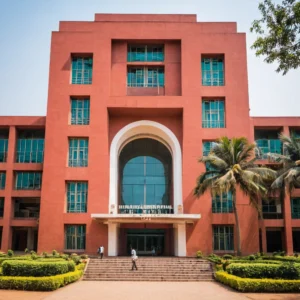
Manav Rachna International University is a recognized higher education institution known for its academic programs and structured evaluation systems. However, fraudsters exploited the credibility of the institution by creating forged documents that closely resembled genuine university-issued records.
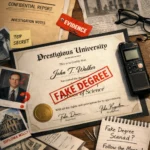
The racket involved the creation and circulation of fake degrees, marksheets, and provisional certificates using the name, logo styles, serial formats, and academic layouts associated with Manav Rachna institutions. These documents were then sold to individuals seeking shortcuts for employment, promotions, or overseas opportunities.
The fraudulent operation came to light after discrepancies were reported during background verification processes and employer-led document checks. Complaints escalated, prompting police investigations that eventually exposed the organized nature of the scam.
How the Impersonation Racket Operated
Use of University Name and Format
The accused carefully replicated the visual and structural elements of authentic academic documents. This included:
Matching degree titles and course names
Forged signatures of university officials
Counterfeit seals and emblems
Fake enrollment numbers and year details
To an untrained eye, these documents appeared legitimate, especially when presented in printed form or scanned copies.
Fake Marksheets and Provisional Certificates
The racket focused heavily on marksheets and provisional certificates, as these documents are often used during job interviews, background checks, and visa processes. Many employers rely on provisional certificates for immediate hiring decisions, making them a common target for forgery.
Marksheets were altered to show passing grades or higher scores, while provisional certificates falsely claimed degree completion from the university.
Target Audience
The forged documents were primarily used by:
Job seekers applying to private sector companies
Individuals seeking overseas employment
Candidates attempting to qualify for promotions or salary hikes
Applicants submitting documents for immigration and credential evaluation
In several cases, the beneficiaries were aware of the fraud, while in others, intermediaries promised “quick degrees” without clearly explaining the illegal nature of the documents.
Police Investigation and Arrests
Law enforcement agencies in Haryana initiated a detailed investigation once multiple complaints surfaced. During raids and interrogations, police recovered:
Large quantities of fake marksheets and degree certificates
Printing equipment and digital templates
Lists of clients who had purchased forged documents
Communication records linking agents and document suppliers
The investigation revealed that the racket was not a single-person operation but a coordinated network involving document designers, agents, and middlemen. Multiple arrests were made, and cases were registered under sections related to cheating, forgery, impersonation, and criminal conspiracy.
Police officials emphasized that such rackets not only harm universities but also undermine national and international trust in Indian academic credentials.
Impact on Genuine Students and the University
Damage to Institutional Reputation
Although the university itself was not involved in any wrongdoing, the misuse of its name caused reputational challenges. Educational institutions invest decades in building credibility, and impersonation cases can lead to skepticism among employers and foreign authorities.
Increased Scrutiny of Genuine Degrees
After the case surfaced, employers and credential evaluation agencies began scrutinizing Manav Rachna-related documents more closely. Genuine students faced additional verification steps, delays, and questioning, even though they had earned their degrees legally.
Emotional and Professional Stress
Legitimate alumni reported anxiety during job applications and overseas processing, fearing that their documents might be mistaken for fake ones due to the scandal. This highlights how academic fraud affects innocent stakeholders.
Use of Fake Degrees for Overseas Employment
One of the most concerning aspects of the case was the use of forged documents for overseas employment. Many countries require strict verification of educational credentials for work visas, licensing, and professional registration.
Fake degrees submitted during immigration or credential assessment can result in:
Immediate visa rejection
Blacklisting by foreign authorities
Permanent bans on reapplication
Legal action for misrepresentation
Several individuals linked to the racket reportedly faced serious consequences when their documents were flagged during international verification processes.
Legal Consequences for Those Involved
Under Indian law, forging academic documents and impersonating a university is a serious offense. Individuals involved in such rackets can face:
Criminal charges for forgery and cheating
Imprisonment and heavy fines
Permanent criminal records
Loss of employment and career opportunities
Even candidates who knowingly used fake certificates are liable for legal action, regardless of whether they personally created the documents.
Lessons from the Manav Rachna Impersonation Case
Importance of Credential Verification
This case reinforces the importance of proper academic verification. Employers, universities, and immigration authorities must rely on direct verification mechanisms rather than accepting documents at face value.
Awareness Among Students and Job Seekers
Many individuals fall into traps due to lack of awareness or desperation. Promises of fast degrees, backdated certificates, or guaranteed jobs using academic shortcuts should always be treated as red flags.
Role of Professional Verification Services
The case highlights the growing need for structured transcript issuance, sealed document dispatch, and official verification channels that prevent tampering and impersonation.
Broader Issue of Fake Degree Rackets in India
The Manav Rachna impersonation case is not an isolated incident. Across various states, similar rackets have been uncovered involving forged documents from reputed universities. These operations exploit gaps in verification systems and the high demand for credentials in competitive job markets.
Authorities continue to warn that academic fraud is increasingly sophisticated, using digital tools and high-quality printing to mimic authentic documents.
Conclusion
The Manav Rachna International University impersonation case in Haryana serves as a strong warning about the dangers of academic fraud. While law enforcement agencies have taken decisive action, the long-term solution lies in awareness, transparency, and robust verification systems.
For students, the message is clear: genuine education and authentic credentials are the only sustainable paths to career success. For employers and institutions, the case underscores the need to strengthen background checks and rely on official verification processes.
Academic integrity is not just a legal requirement; it is the foundation of trust in education, employment, and global mobility. Cases like this remind us that shortcuts may offer temporary gains, but the long-term consequences can be devastating.